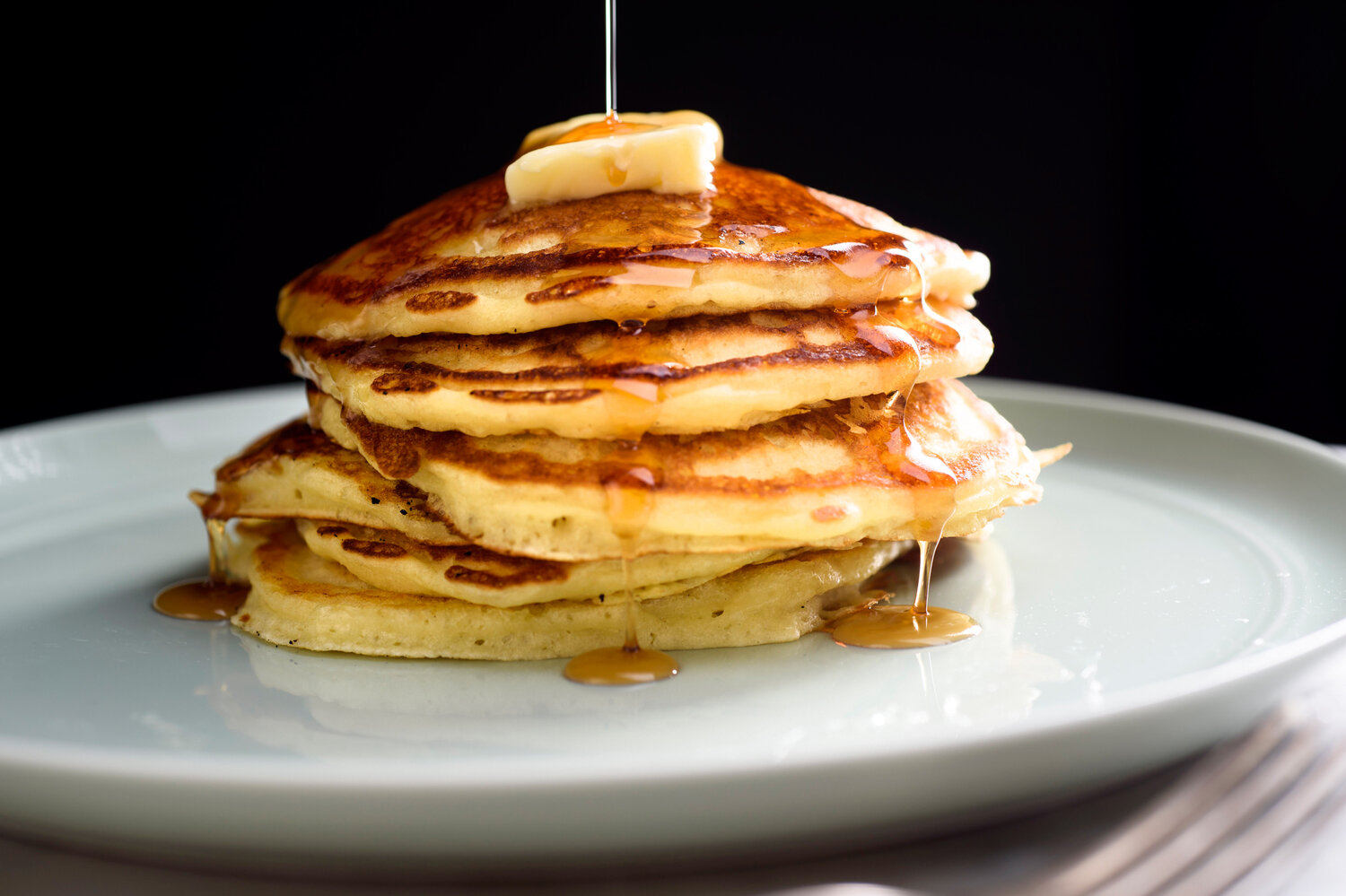
Master Buttermilk Pancakes: Expert Tips for Diner-Style Fluffiness
There's a certain magic to a stack of perfectly cooked buttermilk pancakes. That elusive combination of golden-brown edges, a tender, airy interior, and a subtle tangy sweetness that transports you straight to your favorite diner booth. While many aspire to this breakfast perfection, achieving it at home can sometimes feel like a culinary quest. Fear not, fellow breakfast enthusiasts! This comprehensive guide will unlock the secrets to truly mastering buttermilk pancakes, ensuring every stack is gloriously fluffy, impossibly tender, and bursting with flavor. Forget flat, dense disappointments – we're diving deep into the expert techniques that guarantee diner-style fluffiness every single time.
The Magic Behind Buttermilk Pancakes: Why They're Special
At the heart of any truly exceptional buttermilk pancake lies, unsurprisingly, buttermilk itself. This seemingly simple ingredient is a powerhouse, contributing not only a distinctive tangy flavor but also playing a crucial role in the pancake's signature light and airy texture. Traditionally, buttermilk was the byproduct left after churning butter, but today, it's typically cultured milk, slightly thicker than regular milk, with a pleasingly tart profile from its lactic acid.
Buttermilk's acidity is key because it reacts with baking soda, a powerful leavening agent. This chemical reaction produces carbon dioxide bubbles, which are trapped in the batter, creating lift and aeration. However, relying solely on baking soda can neutralize all of buttermilk's delicious tang. This is where the brilliance of using *both* baking powder and baking soda comes into play. Baking powder provides additional lift independently, allowing some of the buttermilk's natural acidity and unique flavor to shine through. This dynamic duo ensures maximum fluffiness while preserving that essential buttermilk tang, a true mark of superior
tangy and tender perfection. Without this precise balance, your pancakes might be fluffy but lack depth, or tangy but too dense.
Essential Ingredients and Their Roles
While the recipe for buttermilk pancakes often features common pantry staples, understanding the specific job each ingredient performs is vital. Avoid substitutions where possible, as each component contributes to the final masterpiece.
*
Real Buttermilk: As discussed, this is non-negotiable for true buttermilk pancakes. Its lactic acid interacts with leavening agents, and its rich, tangy flavor and creamy texture are irreplaceable. While a DIY milk and vinegar/lemon substitute *can* work in a pinch for some recipes, for these ultimate diner-style pancakes, invest in genuine low-fat or full-fat buttermilk for superior results.
*
All-Purpose Flour: This forms the foundational structure of your pancakes. Its moderate protein content is ideal for creating a tender crumb without excessive gluten development.
*
Granulated Sugar: Provides a subtle sweetness that balances the tang of the buttermilk and aids in achieving that desirable golden-brown crust during cooking.
*
Baking Powder + Baking Soda: The dynamic duo for unparalleled lift and tenderness. Baking soda reacts with buttermilk's acid, while baking powder provides additional leavening, ensuring your pancakes are as fluffy as clouds.
*
Salt: A crucial flavor enhancer that brings out the best in all the other ingredients, preventing the pancakes from tasting bland.
*
Eggs: Two eggs provide binding, structure, and a lovely richness to the batter. They also contribute to the overall lift and tender texture.
*
Melted Butter: Adds incredible flavor and moisture, resulting in a more tender crumb. The key here is to melt it first and allow it to cool slightly before incorporating it into the wet ingredients. Adding hot butter could inadvertently "cook" the eggs, leading to an undesirable texture.
*
Pure Vanilla Extract: A splash of pure vanilla elevates the overall flavor profile, adding a warm, comforting note that completes the pancake experience. Always opt for pure extract over imitation for the best taste.
Crafting the Perfect Batter: Beyond Just Mixing
The journey to fluffy buttermilk pancakes doesn't stop with the right ingredients; how you combine them is equally critical. The goal is to develop just enough structure without activating too much gluten, which would result in tough, rubbery pancakes.
First, separate your wet and dry ingredients. In one large bowl, whisk together the flour, sugar, baking powder, baking soda, and salt until thoroughly combined. This ensures even distribution of the leavening agents and seasoning. In a separate, medium-sized bowl, whisk together the buttermilk, eggs, cooled melted butter, and vanilla extract.
Now, for the crucial step: combining them. Pour the wet ingredients into the dry ingredients. Stir gently, just until they are *just* combined. This is where many novice pancake makers go wrong. You will see small to medium lumps in the batter, and that is perfectly okay – even desirable! Do not be tempted to whisk away every last lump. Overmixing develops gluten, leading to flat, dense, and chewy pancakes instead of light and airy ones. Think of it like muffin batter; a few lumps are a sign of a well-behaved batter.
Once combined, let your batter take a nap. This isn't just a quirky suggestion; it's a vital step. Allow the batter to rest for at least 5-10 minutes (or even up to 30 minutes) while you preheat your griddle or pan. During this resting period, several magical things happen: the flour has a chance to fully hydrate, allowing the starches to swell and creating a thicker, more consistent batter. The gluten has time to relax, which further contributes to tenderness, and the leavening agents begin their work, setting the stage for those beautiful bubbles and incredible fluffiness. You'll notice the batter thickens slightly, indicating it's ready for the heat.
Griddle Wisdom: Cooking for Golden Perfection
Even the most perfectly mixed batter can be ruined by improper cooking. The right temperature and technique are paramount for achieving that ideal golden-brown exterior and fully cooked, tender interior.
The best temperature for cooking buttermilk pancakes is generally around 375°F (190°C). If you're using an electric griddle, this setting is straightforward. For a stovetop pan (cast-iron skillet or nonstick pan), aim for medium heat. A good way to test if your pan is ready is to sprinkle a few drops of water on the surface; they should sizzle and evaporate within a couple of seconds. If they immediately disappear, it's too hot; if they just sit there, it's too cold.
Lightly grease your griddle or pan with a neutral oil, butter, or cooking spray. Avoid over-greasing, which can lead to greasy pancakes. Ladle or pour about 1/4 cup of batter per pancake onto the hot surface, leaving enough space between them for easy flipping.
Now, for the waiting game – and knowing when to flip. Resist the urge to peek too early. Look for these tell-tale signs:
* Bubbles will begin to form on the surface of the pancake.
* The edges of the pancake will start to set and look slightly dry.
* You might even see some small bubbles popping and leaving tiny holes.
Once these signs appear, it’s time to gently slide your spatula underneath and flip the pancake. Cook for another 2-3 minutes on the second side until it’s golden brown and cooked through. A crucial tip: *never* press down on the pancakes with your spatula! This deflates them and compresses all those wonderful air pockets you worked so hard to create. Cooked pancakes should be gently golden on both sides and feel springy to the touch.
Elevate Your Stack: Serving Suggestions and Beyond
Your perfectly fluffy buttermilk pancakes are ready, but the experience isn't complete without the right accompaniments. While they are undoubtedly delicious on their own, the right toppings can elevate them to an unforgettable meal.
The classic combination of a pat of butter (try homemade honey butter or cinnamon butter for an extra touch!) and a cascade of warm maple syrup is always a winner. The sweetness of the syrup beautifully complements the subtle tang of the pancakes.
But don't stop there! Consider these additions for a truly personalized stack:
*
Fresh Berries: A scattering of blueberries (you can even fold them into the batter for a burst of fruit in every bite!), raspberries, or sliced strawberries adds freshness and a delightful pop of color.
*
Whipped Cream: A dollop of freshly whipped cream provides a luxurious, airy contrast.
*
Chocolate Chips: For those with a sweet tooth, chocolate chips (milk, dark, or white) are always a welcome addition, melting into gooey pockets within the warm pancakes.
*
Savory Sides: To balance the sweetness, serve your pancakes alongside crispy bacon, savory sausage, or perfectly fried eggs. This combination truly evokes the full diner experience.
To keep your pancakes warm while you cook the entire batch, you can place them on a baking sheet in a single layer in a warm oven (around 200°F / 95°C). This ensures everyone gets to enjoy a hot, fresh stack. For more variations and tips, explore how to make
easy fluffy buttermilk pancakes your new go-to recipe, and you'll soon be delighting friends and family with your culinary prowess.
Mastering buttermilk pancakes is a rewarding endeavor that transforms breakfast into an event. By understanding the role of each ingredient, employing gentle mixing techniques, allowing your batter to rest, and cooking with precision, you can consistently achieve that coveted diner-style fluffiness. So, gather your ingredients, follow these expert tips, and prepare to indulge in the most tender, tangy, and utterly delicious buttermilk pancakes you've ever made at home. Happy flipping!