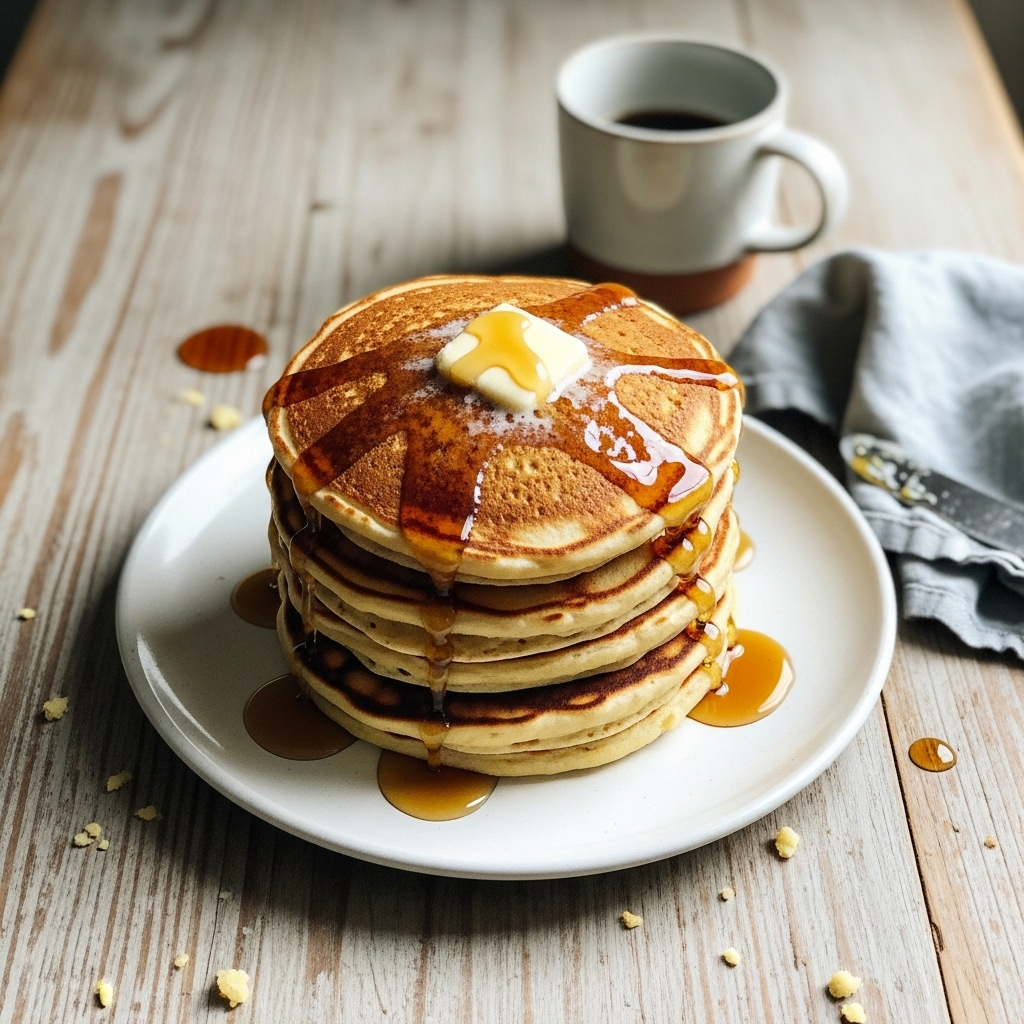
The Secret to Fluffy Buttermilk Pancakes: Tangy & Tender Perfection
Imagine waking up to the aroma of warm, golden-brown pancakes gracing your kitchen. But not just any pancakes – we’re talking about a stack of fluffy buttermilk pancakes that are unbelievably tender, boast a subtle tangy zest, and practically melt in your mouth. This isn't just a breakfast; it's an experience. Forget the plain, forget the dense – this guide will unlock the secrets to achieving diner-style perfection right in your own home. These aren't just a base for toppings; they're a flavorful star in their own right, even before a single drop of maple syrup touches them.
The Magic Behind Buttermilk Pancakes: Why They're So Special
What makes buttermilk pancakes transcend the ordinary? It all comes down to their namesake ingredient: buttermilk. Despite its name, traditional buttermilk isn't a mix of butter and milk; it's the slightly acidic liquid left behind after churning butter from cream. This lactic acid is the true hero, responsible for a trifecta of desirable pancake qualities:
- Unmistakable Tang: Buttermilk imparts a subtle, pleasant tang that beautifully balances the sweetness of the sugar and any toppings. This nuanced flavor profile is what elevates them far beyond basic pancakes.
- Exceptional Tenderness: The acidity in buttermilk works wonders on the gluten in the flour, preventing it from developing too much and resulting in a remarkably tender crumb. This is why buttermilk pancakes never taste tough or chewy.
- Serious Fluffiness: When combined with leavening agents like baking soda, buttermilk's acid creates carbon dioxide gas. This gas gets trapped in the batter, expanding during cooking to give you those coveted lofty, airy pancakes.
While a DIY buttermilk substitute (milk + vinegar/lemon juice) can work in a pinch for some recipes, for truly authentic and superior buttermilk pancakes, we highly recommend using genuine buttermilk. Whether you opt for low-fat or full-fat, the real deal offers an unparalleled creamy texture and depth of flavor that a substitute simply can't replicate.
Unveiling the Essential Ingredients: A Symphony of Simplicity
The beauty of these fluffy buttermilk pancakes lies in a handful of common ingredients, each playing a vital role. While seemingly basic, their specific functions are key to the perfect outcome. For this reason, we strongly advise against substitutions – every component is there for a reason!
- Melted Butter: Beyond just flavor, melted butter contributes moisture and richness. It's crucial to melt it first and allow it to cool slightly before incorporating it into the wet ingredients. Adding hot butter to eggs or buttermilk can prematurely cook them or affect the batter's consistency.
- All-Purpose Flour: This forms the foundational structure of your pancakes. Its moderate protein content is ideal for achieving a balance of tenderness and light chew.
- Granulated Sugar: A touch of granulated sugar provides just the right amount of sweetness to complement the buttermilk's tang. It also aids in browning, giving your pancakes that inviting golden hue.
- Baking Powder + Baking Soda: This dynamic duo is the secret to impressive lift and aeration. Here's why both are essential when using buttermilk:
- Baking Soda: An alkaline ingredient that reacts with the acid in buttermilk to produce carbon dioxide gas, contributing to fluffiness.
- Baking Powder: A double-acting leavener that provides a second lift in the presence of liquid and again when heated.
Using both ensures maximum fluffiness while preserving that distinctive tangy flavor. If only baking soda were used, it could neutralize all the buttermilk's acid, diminishing the tang. The baking powder steps in to provide ample leavening, allowing some of that delicious tang to shine through.
- Salt: A pinch of salt is a non-negotiable flavor enhancer. It brightens the overall taste profile, ensuring your pancakes aren't bland.
- Eggs: Typically two large eggs bind the ingredients together, adding structure and contributing to the pancakes' lift and rich texture. They act as an emulsifier, helping to create a smooth, unified batter.
- Buttermilk: As discussed, real buttermilk is paramount for its lactic acid, creamy texture, and signature tang. Its unique properties are what define these pancakes.
- Pure Vanilla Extract: A dash of pure vanilla extract elevates the flavor profile, adding warmth and aromatic depth that makes these buttermilk pancakes taste anything but ordinary. Since vanilla is a prominent flavor here, investing in pure extract over imitation is highly recommended.
Crafting Your Perfect Batter: Tips for Tangy Tenderness
Assembling the batter for perfect buttermilk pancakes is quick and straightforward, but a few key techniques will guarantee your success.
- Separate and Combine: Start by whisking all the dry ingredients (flour, sugar, baking powder, baking soda, salt) thoroughly in one large bowl. In a separate bowl, whisk together the wet ingredients (buttermilk, eggs, cooled melted butter, vanilla extract) until well combined.
- Gentle Integration: Pour the wet ingredients into the dry ingredients. This is where precision matters. Using a whisk or spatula, gently combine the two mixtures until just moistened.
- Embrace the Lumps: This is perhaps the most crucial tip for achieving fluffy buttermilk pancakes. Your batter should be thick and contain small to medium lumps. Do not be tempted to whisk away every single lump! Over-mixing develops the gluten in the flour too much, leading to dense, chewy, and flat pancakes instead of the light, airy texture you desire. A few quick stirs are all you need.
- The Batter's Nap: Once your batter is mixed, let it rest for 5-10 minutes while you preheat your griddle or pan. This brief "nap" is not just for convenience; it allows the flour to fully hydrate, the gluten to relax, and the leavening agents to begin their work, resulting in an even fluffier end product. You'll notice the batter thickens slightly during this rest.
Mastering the Griddle: Achieving Golden Perfection
With your perfectly prepared batter resting, it's time to cook your buttermilk pancakes to golden-brown, fluffy perfection.
- Preheat Your Cooking Surface: Whether you're using an electric griddle, a cast-iron skillet, or a nonstick pan, consistent heat is vital. The ideal temperature for cooking pancakes is around 375°F (190°C). If you don't have a temperature-controlled griddle, set your stovetop to medium heat. A good test is to flick a few drops of water onto the surface; if they dance and evaporate quickly, it's ready.
- Lightly Grease: Brush your griddle or pan with a thin layer of butter, oil, or nonstick spray. Too much fat will make the pancakes greasy, while too little will cause them to stick.
- Portioning: Pour or scoop about ¼ to ⅓ cup of batter per pancake onto the hot surface. Give them a little space so they don't crowd and stick together.
- The Flip Test: How do you know when to flip? Look for these key indicators:
- Bubbles appearing and breaking on the surface of the pancake.
- The edges of the pancake beginning to look set and dry.
- The underside is golden brown.
Typically, this takes about 2-3 minutes per side. Once flipped, cook for another 1-2 minutes until the second side is also golden brown and the pancake is cooked through.
- Resist the Press: As tempting as it may be, do not press down on your pancakes with a spatula! This action deflates the air pockets that give them their fluffiness, resulting in dense, flat pancakes. Let them cook undisturbed.
Troubleshooting Common Buttermilk Pancake Woes
Even with the best intentions, sometimes pancakes don't turn out as expected. Here are quick fixes for common issues:
- Flat, Dense Pancakes: This is almost always a sign of overmixing the batter, which develops the gluten too much. It could also be due to old, inactive leavening agents (baking powder/soda).
- Burnt Outside, Raw Inside: Your pan is too hot! Reduce the heat to medium-low or medium. The outside will have a chance to brown slowly while the inside cooks through.
- Dry Pancakes: Ensure you're not overcooking them. Also, double-check your liquid measurements; sometimes a slight variation can affect moisture.
The Perfect Canvas for Toppings
Once your stack of tangy, tender buttermilk pancakes is ready, the fun truly begins. While they are incredibly delicious on their own, they also serve as the ultimate canvas for your favorite toppings. Go classic with a generous cascade of pure maple syrup, perhaps alongside a pat of homemade honey butter or cinnamon butter. For a decadent treat, add a dollop of fresh whipped cream and a sprinkle of berries. Don't shy away from mix-ins either; blueberries or chocolate chips added directly to the batter during cooking are always a hit. And for a truly maximalist approach, serve them alongside crispy bacon and eggs for a complete breakfast feast. The possibilities are endless when your buttermilk pancakes are this good!
